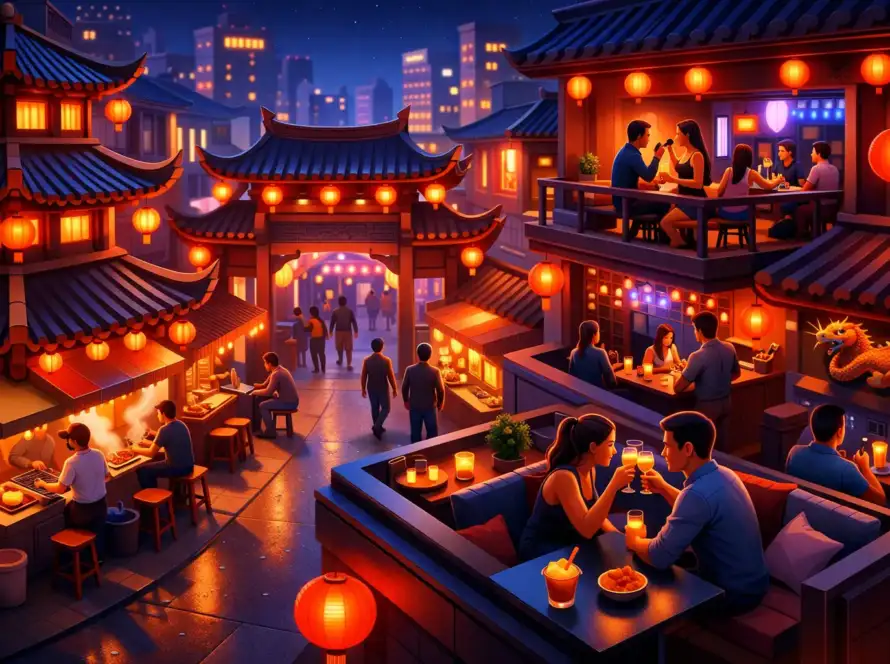
The best dinner celebrations do not begin when the first plate hits the table. They begin when nobody in the group has to ask, “So, what are we doing after dinner?” A great guide to hosting dinner celebrations starts with one simple idea: give people a full night out, not a schedule full of handoffs.
Whether you are planning a birthday, graduation, reunion, bachelorette party, office outing, or an overdue friends’ night, the goal is the same. Feed the group well, keep the energy moving, and make it easy for everyone to be part of the fun. Here is how to create a celebration people will still be talking about next week.
Start With the Reason Everyone Is Gathering
Every celebration has its own rhythm. A birthday group may want photos, cocktails, a big shared meal, and the freedom to get loud. A team dinner might need a more relaxed start before everyone warms up. A family gathering may call for flexible food choices and an activity that brings different generations together.
Choose the mood before you choose the details. Ask yourself what you want guests to feel when they leave: celebrated, connected, energized, or all three. This makes the rest of the planning much easier. A formal dinner and a karaoke birthday can both be memorable, but they need different timing, food, and room setup.
For a group that wants to keep the night moving, look for a place where dinner, drinks, and entertainment happen in the same destination. Fewer stops mean fewer people getting lost, fewer rides to coordinate, and more time actually celebrating.
Build the Guest List Around the Experience
The guest list is more than a headcount. It shapes the kind of night you can host. A close group of eight may want a cozy table and plenty of time to catch up. A party of 20 may need more structure, space to move around, and an activity that keeps conversations from splitting into separate circles.
Send invitations with the essentials early: date, start time, location, estimated end time, and whether guests should expect dinner only or a full evening of entertainment. People are much more likely to say yes when they understand the plan.
It also helps to set expectations around the vibe. If you are planning a karaoke room after dinner, say so. The friend who claims they do not sing may still show up, and they may become the star of the night after one drink and a little encouragement.
Give Guests One Easy Plan
A celebration does not need a packed itinerary to feel special. In fact, trying to squeeze in too many locations can drain the momentum. A dinner reservation followed by a private activity in the same venue gives the group a natural flow: arrive, eat, toast, sing, laugh, repeat.
This is especially useful in Las Vegas, where travel time and competing plans can pull a group in every direction. A single destination keeps the celebration together and lets the night build instead of constantly restarting.
Choose Food That Belongs in the Middle of the Table
Dinner celebrations work best when the food gives people something to talk about. That does not mean every course needs to be complicated. It means choosing a menu with variety, shareable options, and enough familiar favorites for the cautious eater in the group.
Asian dining is a strong fit for group celebrations because the table can feel generous and social. Steaming bowls of pho or ramen bring comfort, while Chinese dishes and shareable plates let guests sample more than one flavor. The best approach depends on your group. If everyone wants a relaxed, sit-down meal, individual entrées may be ideal. If the party is focused on conversation and trying a little of everything, order dishes built for sharing.
Before confirming the reservation, ask about dietary needs and preferences. You do not need to collect a full spreadsheet from every guest, but knowing about major allergies, vegetarian needs, and spice sensitivity prevents last-minute stress. Offering choice is one of the easiest ways to make people feel considered.
Do Not Underestimate the Drinks Plan
Drinks set the pace. A celebratory toast gives the night a clear opening moment, while cocktails, beer, nonalcoholic options, and water keep everyone comfortable throughout the evening. The key is balance. You want the group to have fun, not burn through the energy before the main event begins.
Consider starting with a toast once everyone has arrived rather than waiting for late guests. Keep it short, personal, and upbeat. A few sincere words and a raised glass can make even a casual dinner feel like an occasion.
If alcohol is part of the plan, make room for guests who are not drinking. Great hosts make sure nobody has to explain their choice or feel left out of the celebration.
Use Karaoke to Turn Dinner Into a Memory
Dinner gives people time to settle in. Karaoke gives them a reason to let loose.
Private karaoke works because it removes the pressure of a public stage while adding just enough playful chaos to make the night unforgettable. Friends who have only exchanged small talk suddenly have a shared mission: choose the next song, hype up the singer, and capture the performance nobody expected.
The secret is not finding the most talented singer in the room. It is creating an atmosphere where everyone can join in. Start with recognizable crowd-pleasers, duets, throwbacks, and songs with choruses the whole room knows. Save the serious vocal showcases for later, once the group has found its rhythm.
At Mukgo Nolza, groups can pair bold Asian flavors and drinks with private karaoke, so the celebration does not have to end when dinner is finished. It is an easy format for birthdays, work outings, visiting friends, and anyone who wants more than a standard meal.
Time the Night So It Never Feels Rushed
A little timing makes a major difference. For most dinner celebrations, give guests 15 to 30 minutes to arrive and get comfortable. Allow enough time for ordering, food, conversation, and a toast before shifting into the next part of the evening.
The right pace depends on the occasion. A weekday corporate gathering may work best with a clear start and end time. A Saturday birthday party can leave more room for spontaneous rounds of songs and late-night bites. If your group includes guests coming from the Strip, nearby neighborhoods, or different work schedules, an earlier reservation can reduce late arrivals.
Avoid building the evening around an overly strict schedule. A celebration should have direction, but it should not feel like a meeting agenda. Think in phases instead: welcome, dinner, toast, entertainment, and a relaxed close.
Add Small Touches That Feel Personal
You do not need custom décor or a huge budget to make a dinner celebration feel intentional. The details that land best are often the ones connected to the guest of honor or the group’s shared history.
Bring a cake if the venue allows it, prepare a quick toast, or make a short list of karaoke songs tied to old memories. For an office event, choose a few team-friendly songs and recognize a recent win. For a birthday, ask each guest to share one favorite story before the singing starts.
Photos matter, too. Pick one person to capture a group shot early, before everyone gets busy eating or singing. Later, the candid photos will tell the real story, but that first full-group picture is the one people will keep.
Make Booking and Communication Part of the Hosting
The most fun hosts are usually the ones who handled logistics before anyone arrived. Confirm the guest count, reservation time, food plan, and entertainment booking ahead of time. If the group is large, ask about private event options so seating and service match the size of the celebration.
Then send one final message the day before with everything guests need to know. Keep it friendly and direct: where to meet, what time to arrive, and what kind of night they are walking into. That one message prevents a flood of individual texts and lets you enjoy your own party.
A great dinner celebration is not about controlling every moment. It is about creating the right setting for great food, louder laughs, and the kind of spontaneous fun no one can schedule. Pick a plan that keeps your people together, then let the night do the rest.