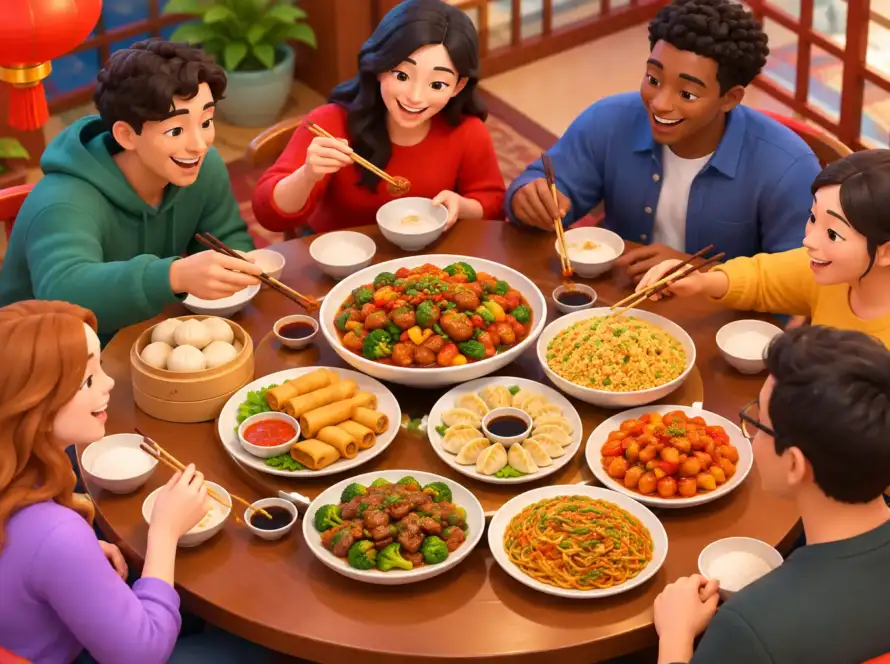
A birthday group has arrived, everyone is hungry, and half the table is already debating karaoke songs. That is when the catering versus dining decision stops being a logistics question and becomes part of the celebration itself. Do you bring the food to the party, or bring the party to the food?
Both can be great choices. The right one depends on how much hosting you want to do, how many people are coming, where the gathering is happening, and whether a meal is the main event or only the start of a bigger night.
Catering Versus Dining Starts With the Kind of Event
Catering works best when your location is non-negotiable. Maybe your office is hosting a team lunch, your family has rented a vacation home, or you are throwing a graduation party in a space that already feels personal. Food comes to you, guests can move at their own pace, and the setting stays fully yours.
Dining out is built for the occasions when you would rather arrive and enjoy than shop, set up, serve, refill, and clean. For friends planning a night out, tourists looking to make one evening count, or a birthday crew that wants food and drinks without turning someone into the unofficial event manager, a restaurant can remove a lot of friction.
The question is not which option is better in every situation. It is whether you need food to support an event you are already hosting or you want the venue itself to create the event.
Choose Catering When Your Space Sets the Tone
Catering gives you control over the room, the schedule, and the guest list. It can make sense for office meetings where people need to eat on a tight timeline, open-house celebrations where guests come and go, or family events held at home. You choose the tables, decorations, music, and flow of the day.
It also gives larger groups more flexibility. A buffet or family-style spread lets guests eat in waves rather than all at once. That can be especially useful when people are arriving from different flights, meetings, or activities around Las Vegas.
Still, catering is not automatically hands-off. Someone needs to confirm delivery timing, make room for the food, provide plates and utensils if they are not included, manage leftovers, and handle cleanup. If the event includes drinks, entertainment, or a surprise toast, those pieces need their own plan too.
Catering shines when the venue has meaning or when the agenda matters more than the atmosphere. A workplace training session, a backyard reunion, or a hosted gathering at a rental property may need that flexibility more than a night out needs a private table.
Catering can be a smart fit for food-first events
When conversation, presentations, or activities are the priority, catering keeps everyone close to the action. Shareable Asian dishes can work particularly well because guests can build a plate around their own appetite, sample a few flavors, and return for more without stopping the event.
Just be realistic about the format. Saucy noodles, soups, and crispy dishes are at their best when served fresh and enjoyed promptly. If the event runs long, timing matters. Plan the delivery around when people will actually be ready to eat, not simply when the doors open.
Choose Dining When You Want a Night Out, Not a To-Do List
Restaurant dining changes the energy right away. People arrive dressed for the occasion, sit down to a hot meal, order drinks, and settle into the kind of conversation that is hard to recreate when the host is checking trays in another room.
For a group celebration, the biggest advantage is simple: everyone gets to participate. No one is stuck arranging chairs, hunting for ice, or washing dishes after the final guest leaves. The host can be present for the birthday toast, the photo, and the spontaneous decision to order one more round.
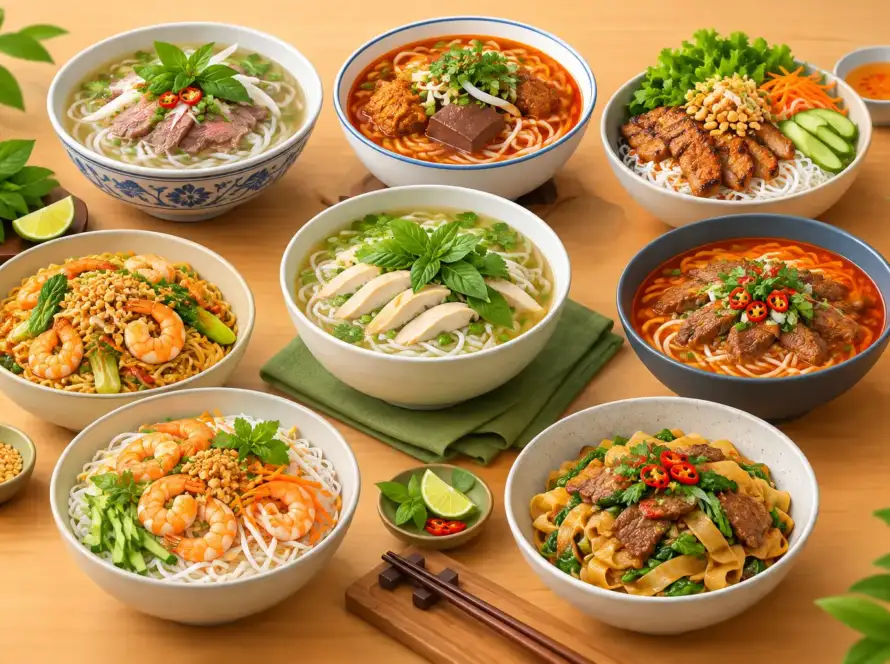
Dining also makes sense when food needs to feel like an experience rather than a practical necessity. Pho, ramen, Chinese favorites, appetizers, and cocktails create more momentum when they arrive fresh, one round after another, in a setting designed for a social meal.
At Mukgo Nolza, that experience can keep moving after dinner. A group can eat, drink, and head into private karaoke without coordinating rides to a second location or losing people along the way. For birthdays, bachelor or bachelorette parties, visiting friends, and coworkers ready to loosen up, that one-stop plan can turn a good dinner into a memorable night.
The hidden value of dining is built-in atmosphere
A restaurant is more than tables and plates. It has lighting, music, staff, glassware, a bar, and a room full of energy that tells guests this is an occasion. That is valuable when you want to make a casual gathering feel special without spending hours trying to create the mood yourself.
Private dining or karaoke options can add another layer for groups that want space to celebrate without disappearing from the action. You get the convenience of professional service with an experience that still feels like your own party.
The trade-off is less control over every detail. You are working within reservation times, menu availability, seating arrangements, and venue policies. For most social groups, that is a fair exchange for not having to run the event from behind the scenes.
Compare the Real Costs, Not Just the Food Bill
Catering can look less expensive per person at first, especially for a large crowd. But food is only one line of the budget. Add delivery fees, service charges, disposable supplies, drinks, ice, decorations, tables or rentals, and cleanup. If you are hosting at a rented venue, there may also be fees for outside food or extra staffing.
Dining has its own costs, including gratuity, drinks, and possible room or reservation minimums for larger parties. Yet many of the things you would otherwise pay for are already included: the setting, seating, service, dishes, cleanup, and staff who know how to keep the meal moving.
The best comparison is not “Which menu costs less?” Ask, “What does this celebration cost me in time, energy, coordination, and actual money?” For an office lunch, catering may be the cleanest value. For a milestone birthday where everyone wants to relax, dining can be worth far more than the difference on the check.
Think About Guest Experience Before You Decide
Your guests should guide the choice. A group with young kids, grandparents, or people who need a quieter setting may be more comfortable with catered food at home. A traveling group with only one free night in town may appreciate a restaurant where dinner, drinks, and entertainment are already handled.
Consider timing too. Catering is useful when guests need to eat before a meeting, ceremony, or game. Dining is stronger when the meal is meant to stretch into the evening. If karaoke, cocktails, or late-night bites are part of the vision, picking a venue designed for that rhythm keeps the night easy.
Food preferences deserve attention as well. A mixed group often benefits from variety: comforting noodle soups, bold shareable plates, lighter options, and dishes with different spice levels. Whether you cater or dine in, give guests enough choice that nobody feels like an afterthought.
Make the Plan Match the Memory You Want
A catered event says, “Come gather in our space.” A restaurant celebration says, “Come out and let’s make a night of it.” Neither is the wrong move. They simply create different kinds of memories.
If you want everyone focused on a presentation, a home, or a custom activity, bring the food to where the moment is happening. If you want the room to feel lively from the first drink through the final chorus, reserve a place where dinner is only the opening act.
Choose the option that lets the host enjoy the celebration too. The best gatherings are not remembered for perfect logistics. They are remembered for full tables, loud laughs, great food, and the moment someone finally grabs the microphone.